
Chicago Through A Homeschooler's Eyes
A Chicago Family Guide to the City's Best Educational Destinations
Practical tips for navigating Chicago safely and affordably with children of all ages
Chicago is one of the great homeschooling cities in America. Where else can your child descend into a real German U-boat submarine in the morning, walk through an ancient Egyptian tomb before lunch, and watch a live dolphin show in the afternoon — all without leaving the city? As homeschooling families, we have the rare gift of flexibility: we can visit on a Tuesday morning in October when crowds are thin, take our time with exhibits that spark genuine curiosity, and turn every commute into a geography lesson.
But Chicago is also a big city, and navigating it with children — especially a mixed-age group — takes some planning. This guide goes deeper than a simple list of attractions. It covers the best times to go, how to get around safely and affordably, which neighborhoods are most family-friendly, and insider tips to make every outing feel less like a field trip and more like an adventure.
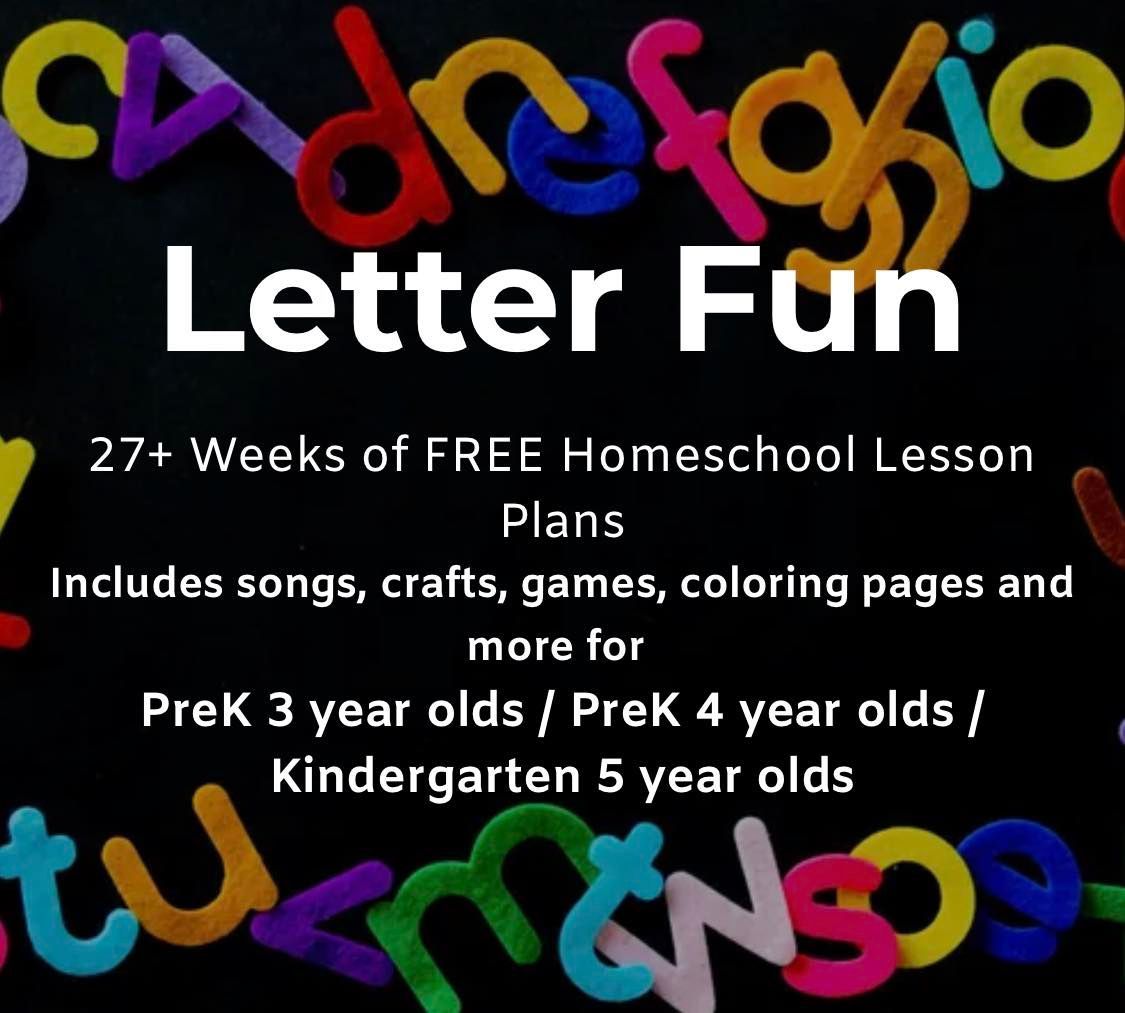
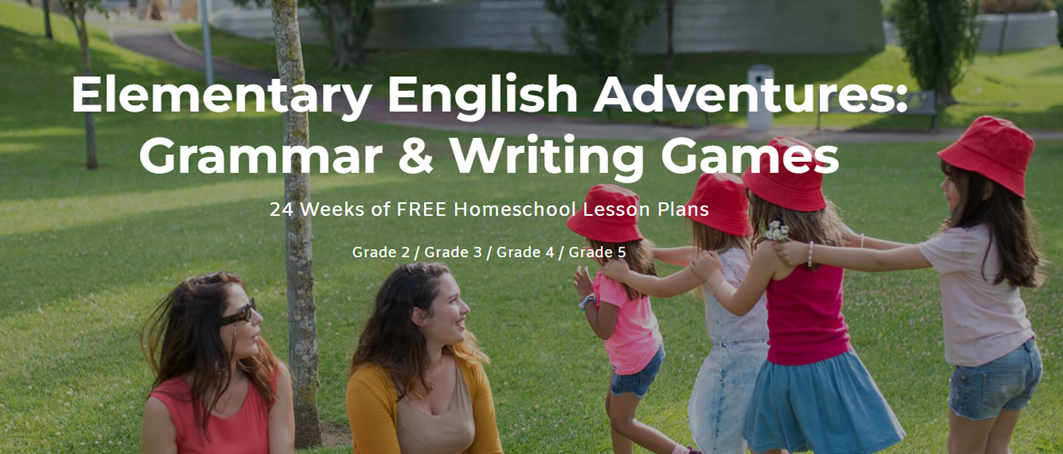
If you're just getting started with homeschooling in Illinois — or looking to strengthen what you're already doing — Homeschooling101.net offers free downloadable lesson plans from preschool through high school, complete with video walkthroughs made by experienced homeschool moms specifically for the teaching parent.
Getting Around Chicago with Kids
The CTA: Your Best Friend (Once You Know the Tricks)
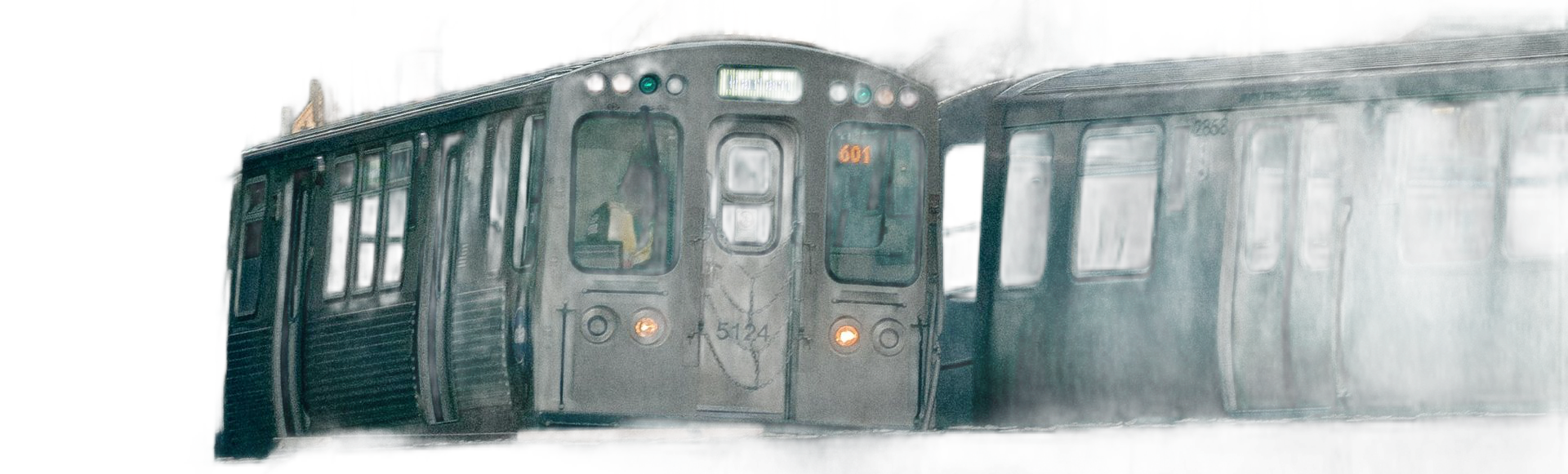
The Chicago Transit Authority's train system — the iconic "L" — is a practical and affordable way to reach most major attractions. A single ride costs $2.50, and children under 7 ride free. The L is also a geography and history lesson in itself: you'll pass through dozens of distinct neighborhoods, cross the Chicago River, and get a spectacular bird's-eye view of the city's architecture from the elevated tracks.
- Best tip: Load a Ventra card with cash before your trip. Ventra cards are reloadable, cheaper per ride than cash, and save you fumbling with exact change while managing kids at a busy turnstile. You can buy them at any L station.
- Safety tip: The Red, Blue, and Brown lines are the most tourist-friendly and run through well-trafficked areas. Stick to these with younger children. The Green and Pink lines depend on your comfort-level with the city. They run through neighborhoods that feel less family-oriented.
- Timing tip: Avoid the L between 7:30–9:00am and 4:30–6:30pm on weekdays. Rush-hour trains are standing-room only and stressful with kids and bags. Midday trips are far more comfortable.
Driving and Parking in Chicago
If you're driving in from the suburbs, parking in Chicago can be expensive and stressful. Here's some ways make it manageable.
Use the SpotHero or ParkWhiz apps to pre-book parking at lower rates. Many garages near Museum Campus (where the Field Museum, Shedd Aquarium, and Adler Planetarium are located) can be booked in advance for $15–25, compared to $40+ at the gate.
The Museum Campus has a large free parking area on the south end that fills up early. Arrive before 9:30am on weekends to snag a spot there.
Millennium Park has an underground parking garage directly below it, but it fills fast. The Grant Park North and South garages are good alternatives nearby.
For Lincoln Park Zoo and the North Side, Millennium Garages on Clark Street offer reasonable rates and are a short walk from the zoo entrance.
- Traffic tip: Avoid driving into the city on Friday afternoons and Saturday mornings — these are reliably the worst traffic windows. Sunday mornings are by far the easiest time to drive in, with light traffic and easier parking.
Rideshare and Taxi's
Uber and Lyft work very well in Chicago and are often the best option for short hops between attractions, especially in bad weather. Surge pricing is common on weekend evenings and during major events, so check before you call. Chicago also has a large fleet of traditional Yellow Cabs which can be hailed on the street downtown — a useful backup if rideshare surge pricing is high.
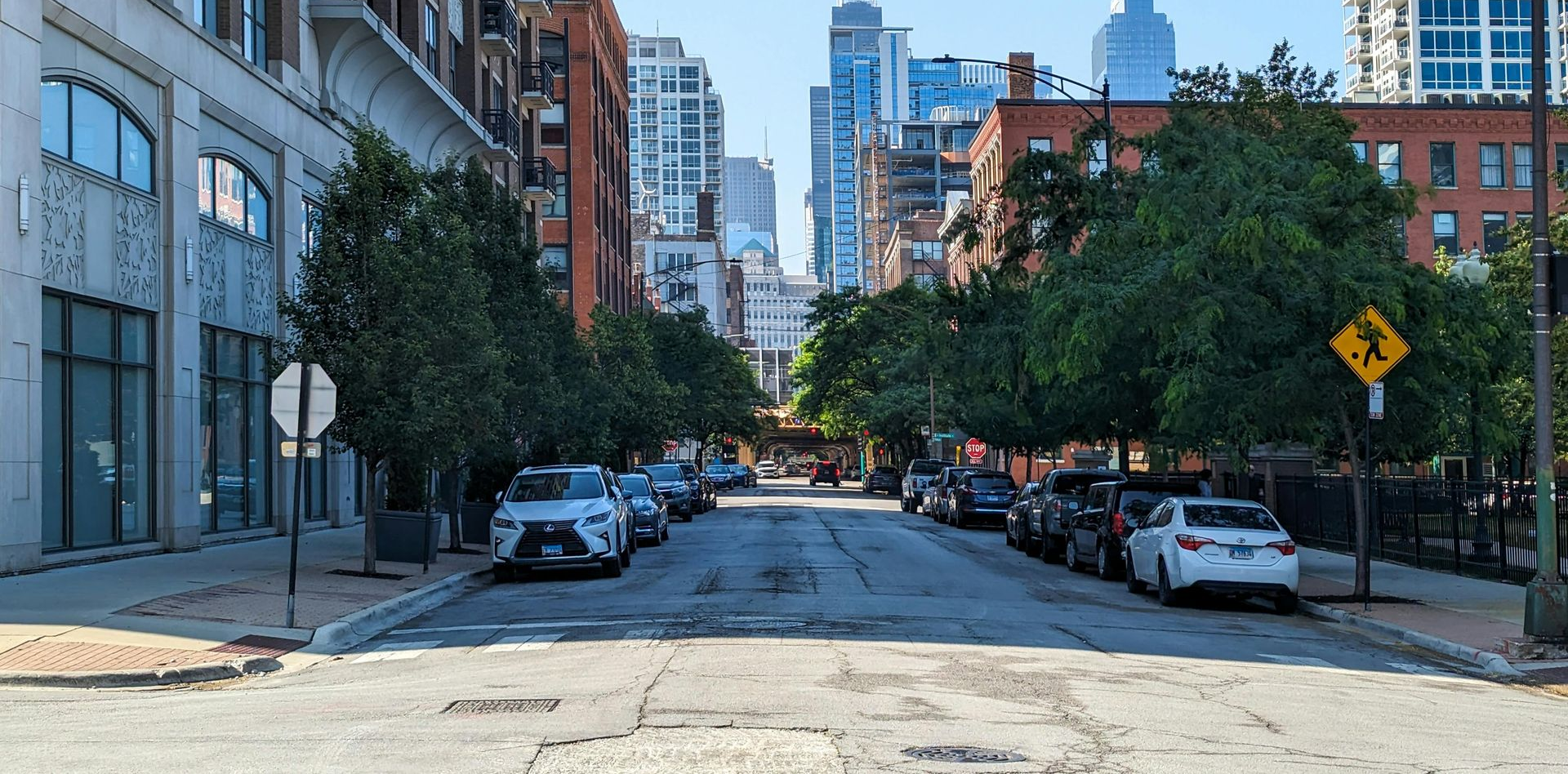
Chicago Neighborhood Safety: A Practical Guide for Families
Chicago has a reputation that, for families visiting tourist and cultural destinations, is largely unwarranted. The areas you'll visit with children are safe, busy, and well-patrolled. That said, awareness is always wise.
The Safest Family Neighborhoods to Visit
- The Loop and Grant Park: The heart of downtown is heavily trafficked by tourists, office workers, and police. Museum Campus (Field Museum, Shedd, Adler) sits right on the lakefront here and is extremely safe.
- Lincoln Park: Home to the Lincoln Park Zoo, this is one of Chicago's most affluent, walkable neighborhoods. DePaul University is nearby and the streets feel lively and welcoming day and night.
- The Magnificent Mile (Michigan Avenue): Busy, tourist-heavy, and very safe. The Art Institute sits just south of here in Grant Park.
- Hyde Park: Home to the Museum of Science and Industry and the University of Chicago. The immediate university neighborhood is safe and charming, though this is a South Side neighborhood and families should stay in the Hyde Park and Kenwood areas.
- River North and Streeterville: Safe, heavily developed neighborhoods close to Navy Pier (Chicago Children's Museum) and the architecture center.
General Safety Tips for Families
- Stay aware of your surroundings on the L, particularly at major downtown transfer stations like Clark/Lake and Jackson. Keep bags in front of you and phones in pockets when not in use.
- If you're unsure about a neighborhood, use Google Street View before your trip to get a feel for the area.
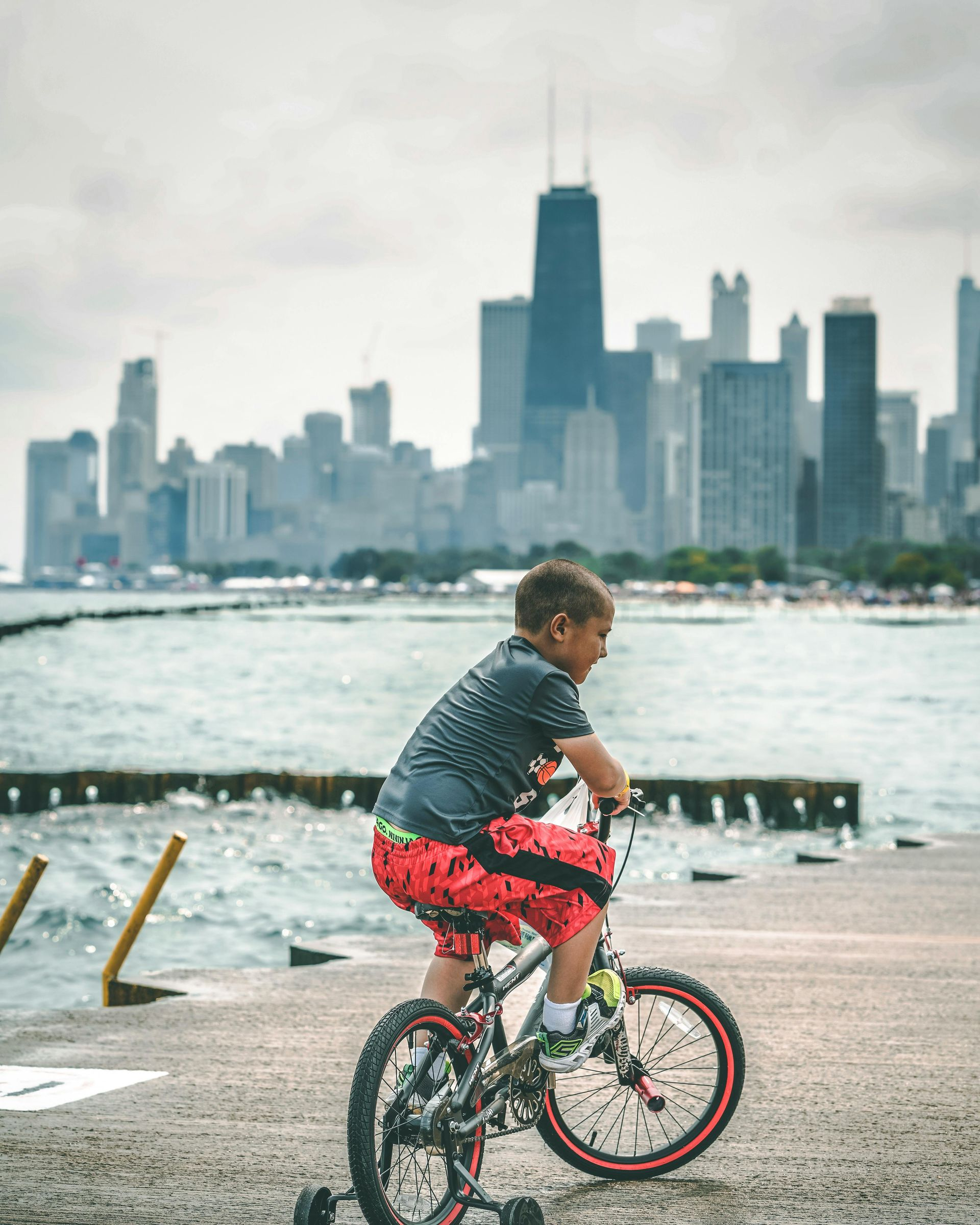
- The lakefront trail is beautiful and safe during daylight hours. It runs for 18 miles and is great for families on bikes or on foot.
- In summer, the lakefront beaches (North Avenue Beach, Oak Street Beach, 31st Street Beach) are busy, lifeguarded, and family-friendly.
- Have a family meeting point established if you're at a large venue with kids old enough to explore semi-independently. Older kids should have your phone number written down, not just stored in a phone.
The Best (and Worst) Times to Visit Chicago Attractions
One of the greatest advantages of homeschooling is the ability to visit popular attractions on weekday mornings — when most kids are in school and crowds are minimal. Here's what to know about timing.
- Weekday mornings (9am–12pm) are the gold standard. Crowds are thin, staff have more time to engage with curious kids, and you'll actually be able to linger at exhibits rather than shuffling through.
- Summer (June–August) is peak tourist season. If possible, schedule Chicago trips in September–November or March–May for better crowds and prices.
- Major school field trip season runs September–November and March–May. Call ahead to ask if large school groups are booked — some venues have specific homeschool or non-school group times that are much calmer.
- Many Chicago museums offer free or reduced admission for Illinois residents on weekdays. These free days can be busy on weekends but are often very manageable on a Tuesday or Wednesday.
- Chicago summers bring major festivals to Grant Park (Lollapalooza, Chicago Jazz Festival, Chicago Air & Water Show) that draw massive crowds and make parking and transit chaotic. Check the City of Chicago events calendar before planning Museum Campus visits in July and August.
Always Free: No Tickets, No Catch
Lincoln Park Zoo
Lincoln Park Zoo is one of the rarest things in any major American city: a completely free, world-class zoo. Located in the heart of the Lincoln Park neighborhood on the city's North Side, it's home to over 200 species including gorillas, polar bears, snow leopards, and African penguins. The zoo is beautifully maintained, compact enough to navigate in a few hours, and genuinely excellent — not a consolation prize for being free.
For homeschooling families, the zoo offers a depth of educational content that rewards slower, more curious visitors. Keeper talks happen throughout the day, and the signage around exhibits is detailed and scientifically accurate. The Farm-in-the-Zoo section is particularly wonderful for younger children, with real farm animals and hands-on agricultural exhibits.
- Best time to visit: Weekday mornings from 9–11am are magical. On summer weekends, the main paths get very crowded by 11am.
- Parking: The Lincoln Park neighborhood has metered street parking and several pay lots. Alternatively, take the Red Line to Fullerton and walk 10 minutes through the park.
- Ages: Works well for all ages from toddlers through teens. Older kids interested in biology and ecology will find plenty to engage with.
- Plan for: 2–4 hours for a relaxed visit. The zoo is free to enter but grab-and-go food inside is pricey — pack a picnic and eat in the adjacent Lincoln Park.
Insider tip: The Regenstein African Journey (great apes) and the Pritzker Family Children's Zoo are the two can't-miss sections. Hit these first before crowds build.
Forest Preserves of Cook County
Chicago's forest preserves are one of the city's best-kept secrets, and for homeschooling families they're a curriculum goldmine. The Forest Preserve District of Cook County manages nearly 70,000 acres of natural land across the county — forests, prairies, wetlands, rivers, and savanna — all of it free to access. There are over 300 miles of trails, six nature centers, fishing areas, and even a working bison herd at the Fermilab Natural Areas in neighboring DuPage County.
For families interested in biology, ecology, Illinois natural history, and outdoor education, these preserves offer hands-on learning that no museum can match. The nature centers at Crabtree Nature Center, Sand Ridge Nature Center, and Little Red Schoolhouse Nature Center offer free interpretive exhibits and regular naturalist-led programs.
- Best areas for families: Crabtree Nature Center (Palatine) for birds and wetland ecology; Waterfall Glen (Darien) for varied terrain and great hiking; Palos Hills area for longer trail systems.
- Safety: Trails are well-marked and heavily used by locals. Cell service can be spotty in some preserves — download an offline trail map before you go. Tick checks are important April through October.
- Ages: Great for all ages. Toddlers through teens all find something to love. Older kids interested in botany, wildlife, or photography will be particularly engaged.
- Programs: The Forest Preserve District runs free and low-cost naturalist programs, guided hikes, and school-year programs specifically designed for homeschool groups.
Insider tip: Visit Little Red Schoolhouse Nature Center in Willow Springs. It has live animal exhibits (turtles, snakes, fish), a pond with canoe rentals, and rotating naturalist programs — all free. It feels like a nature museum set inside an actual forest.
Garfield Park Conservatory
The Garfield Park Conservatory is one of the largest and most beautiful botanical conservatories in the entire Western Hemisphere — and admission is completely free. Designed by landscape architect Jens Jensen and opened in 1907, the conservatory houses thousands of plant species across a series of enormous glass-enclosed rooms, each replicating a different ecosystem: tropical rainforest, desert, fern grotto, and more.
Walking through the conservatory in January when it's 15 degrees outside and stepping into a warm, humid, lush tropical environment filled with palms, orchids, and banana plants is an extraordinary sensory experience. For children, the contrast between ecosystems and the scale of the plants — some towering 30 feet or more — is genuinely jaw-dropping.
- Getting there: Located in the West Garfield Park neighborhood on the city's West Side. This is a historically underinvested neighborhood, but the conservatory block itself is well-maintained and the institution is beloved by the community. Take the Green Line to Conservatory-Central Park Drive for a direct, easy connection.
- Hours and timing: Open daily, but check the website for current hours. It's rarely crowded and almost always peaceful — one of the most serene experiences in the city.
- Educational angles: Plant biology, climate zones, photosynthesis, desert vs. rainforest ecosystems, botanical history. The Fernery is particularly wonderful for discussing prehistoric plants.
- Ages: Works best for kids 4 and up. Very young children love the sensory experience but the educational content clicks better around age 6–7.
Insider tip: The conservatory hosts a free Children's Garden with interactive, hands-on exhibits designed specifically for kids. Check their calendar for Family Days with special programming.
Chicago Riverwalk & Millennium Park
Millennium Park and the adjacent Chicago Riverwalk together form the beating heart of public life in downtown Chicago — and they're both entirely free. For homeschooling families, these spaces offer architecture, public art, engineering, landscape design, and urban history all in one walkable area.
Cloud Gate — the enormous mirrored sculpture known universally as "the Bean" — is far more interesting than it first appears. Its concave underside creates a distorted, kaleidoscopic reflection of the skyline and the people standing below it, and it's an excellent conversation starter about geometry, optics, and public art. Nearby, the Crown Fountain — two 50-foot glass brick towers displaying video portraits of Chicago residents — is both interactive (water shoots from the faces in summer) and a fascinating discussion of public portraiture and community identity.
The Chicago Riverwalk, which runs along the south bank of the Chicago River through the Loop, is one of the finest urban waterfronts in America. Along its length you'll find public art, kayak and boat rentals, restaurants with outdoor seating, and stunning views of the city's remarkable architectural collection. The Chicago Architecture Center runs a popular river cruise from here that turns the skyline into a full architecture and engineering lesson.
- Best time: Any weekday morning. Weekend afternoons in summer are very crowded. In winter, the park is quieter and magical — the ice skating rink at Millennium Park is free to skate on (you pay only to rent skates).
- Getting there: Multiple L lines stop within a short walk. The Red, Blue, and Green lines all have stops near the park. Street parking downtown is metered and expensive — transit is far better here.
- For teens: The Chicago Architecture Center (at the Riverwalk) has free exhibits inside that are excellent for students interested in design, engineering, or urban planning.
Insider tip: Bring a picnic lunch to Millennium Park's Great Lawn on a summer weekday. The park hosts free outdoor concerts at the Jay Pritzker Pavilion most summer evenings — a wonderful combination of music education and city life.
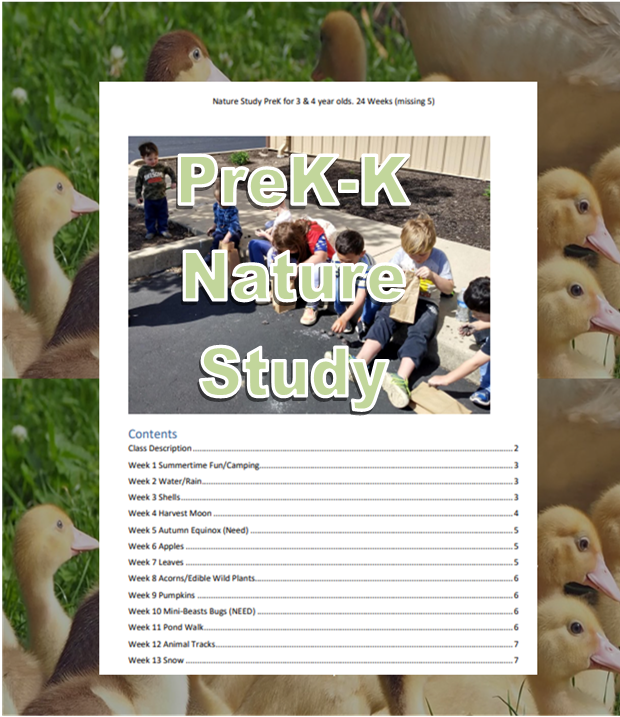
Nature study is one of the richest subjects in the homeschool toolbox. Homeschooling101.net has a free PreK Nature Study class that pairs wonderfully with outdoor experiences like these.
Free for Illinois Residents on Select Days
Chicago's major museums are expensive at full price — but Illinois residents can access most of them for free on select days throughout the year. Homeschool parents specifically are admitted free at several institutions year-round. Always confirm current schedules on each museum's website before your visit, as dates can change.
The Field Museum
- Illinois resident free days: Every Wednesday, 9am–5pm. Show proof of Illinois residency (driver's license, state ID, or utility bill). Homeschool parents can also register for free admission year-round.
- Planning: The museum is large — genuinely a full-day destination. Focus on 2–3 major exhibitions rather than trying to see everything. Download the museum's free app for an interactive map and exhibit information.
- Ages: Works for all ages, but is richest for kids 6 and up. Young children love the dinosaur skeletons; older kids and teens can spend hours in Egypt and the Americas.
- Getting there: Located at Museum Campus, 1400 S. Lake Shore Drive. The No. 146 bus runs directly from the Loop. Driving: use the Museum Campus lots or pre-book with SpotHero.
Insider tip: The basement level houses rotating special exhibitions and is often less crowded than the main floor. The Grainger Hall of Gems is also downstairs and is spectacular — free with general admission.
When you get home, pair the experience with a free lesson plan from Homeschooling101.net — there are downloadable plans covering ancient Egypt, archaeology, and natural history that work beautifully as pre- or post-visit materials for grades K through 12.
Chicago Botanic Garden
- Free days: Illinois residents can visit free on select dates, but pre-registration is required and spaces fill quickly. Check the website and register as soon as dates are announced. Parking fees still apply on free admission days.
- Timing: Spring (April–May) for tulips and cherry blossoms; summer for the rose gardens and water gardens; fall for the extraordinary autumn foliage and pumpkin displays. The garden is also open in winter with a beloved indoor holiday show.
- Getting there: By Metra, take the Union Pacific North Line to Braeside station — the garden is a short walk from the station, making it an easy, affordable train trip from the city.
- Ages: The Children's Garden is best for ages 2–10. The broader garden experience is genuinely engaging for teens interested in biology, photography, or landscape design.
Insider tip: The garden's programs for homeschool groups are excellent and often deeply discounted. Check their Education section for scheduled homeschool workshops in botany, ecology, and gardening science.
- Free Thursdays: Illinois residents, $10 donation suggested. The museum participates in Museums for All ($3 admission with LINK or WIC card).
- Parking: Street parking on Cannon Drive adjacent to the museum, or use the Lincoln Park Zoo lots a short walk away.
- Ages: Exceptionally well-suited for ages 3–12. The butterfly haven works for all ages. Teens may move through the exhibits quickly but still enjoy the butterfly experience.
- Time needed: 1.5–2.5 hours for a thorough visit. Pairs beautifully with a Lincoln Park Zoo visit on the same day.
Insider tip: Call ahead to ask whether a butterfly release is scheduled during your visit. These happen regularly and are wonderful to witness.
Art Institute of Chicago
- Getting there: Located at Michigan Avenue and Adams Street in the heart of the Loop. Multiple L lines stop within a block. Millennium Park is directly across the street — plan to visit both in one downtown trip.
- Timing: Weekday mornings are far less crowded than weekends. The museum can get very busy around major special exhibitions.
- With young children: The Ryan Education Center (lower level) has dedicated family activity spaces and art-making stations. Pick up a family guide at the welcome desk — these are excellent for keeping younger children engaged.
- Teens: Give older students free time to explore sections that connect to their interests and meet at a designated spot. The Architecture and Design galleries and the Photography section are particularly engaging for teenagers.
Insider tip:
The Thorne Miniature Rooms (Gallery 11, lower level) are a hidden gem that most first-time visitors miss entirely. They're extraordinary for all ages and almost always uncrowded.
Low Cost: Under $20 Per Person
Museum of Science and Industry
- Hyde Park neighborhood: The museum is located in a safe, pleasant neighborhood anchored by the University of Chicago campus. Explore the Gothic stone campus quad, visit the Oriental Institute (free admission, extraordinary ancient Middle East collection), or grab lunch at one of the many cafes and restaurants along 57th Street.
- Getting there: Take the Metra Electric Line to 57th Street station, a short walk from the museum. By car, the museum has its own parking garage.
- Timing: Weekday mornings are significantly less crowded. The museum can feel overwhelming on busy weekend days — there's just so much to see.
- Ages: Excellent across all ages. The Coal Mine and submarine are particularly memorable for older children and teens. Toddlers and young children love the Idea Factory (a play-based learning area for under-5s).
Insider tip: The Omnimax Theater shows science documentary films on a five-story domed screen. Tickets are separate from general admission but highly recommended for older kids — the experience is extraordinary.
Newberry Library
- Getting there: Located at 60 W. Walton Street in the Gold Coast. Take the Red Line to Chicago station and walk 10 minutes west.
- Ages: Best for ages 10 and up. The exhibits are text-heavy and require some reading ability and historical context to fully appreciate. That said, even younger children are often captivated by illuminated manuscripts and large-format historical maps.
- Programs: The Newberry offers downloadable activity guides for K–8 students for many of its exhibitions. Check their education section for homeschool-specific resources and occasional family programming.
- Pair with: The Newberry is a short walk from Washington Square Park and the Gold Coast neighborhood, one of Chicago's most architecturally significant areas. A walk down Astor Street afterward is a wonderful free architecture lesson.
Insider tip: The Newberry's genealogy collections are the finest in the Midwest. If your family has Midwestern roots, a visit to the reading room can be a fascinating and personal history lesson — call ahead to ask about accessing specific collections.
Chicago Architecture Center River Cruise
- Tickets: Around $47–52 for adults, $25 for children (12 and under). Homeschool groups can contact the Architecture Center directly for group rates.
- Booking: Book online in advance, especially in summer. The cruise sells out frequently during peak season.
- Getting there: Departs from the lower Riverwalk at Michigan Avenue and Wacker Drive in the Loop. Easy access from all downtown L lines.
- Ages: Works best for ages 7 and up. Younger children may struggle with 90 minutes of seated attention, though the visual spectacle helps. Teens and adults consistently rate this as one of their favorite Chicago experiences.
Insider tip: The Architecture Center building at 111 E. Wacker Drive has free public exhibits on Chicago architecture that are worth a stop before or after your cruise. The scale model of downtown Chicago alone is fascinating.
If your older kids catch the architecture and engineering bug on this cruise, check out the free electives and high school lesson plans at
Homeschooling101.net — including a course on website building and design that connects those creative instincts to real skills.
Splurge-Worthy: Worth Every Penny
Shedd Aquarium
- Tickets: General admission runs around $39.95 for adults and $29.95 for children (3–11). Free days for Illinois residents are offered periodically — check the website well in advance.
- Timing: Illinois resident free days are extremely crowded. If you attend on a free day, arrive right at opening (9am) and head immediately to Wild Reef before the crowds build.
- Museum Campus combo: The Shedd, Field Museum, and Adler Planetarium are all within easy walking distance. A two-day Museum Campus visit gives families time to explore all three without rushing.
- Ages: Excellent for all ages. Very young children are especially captivated by the aquarium's visual immediacy. Teens interested in marine biology will find depth in the signage and daily programs.
Insider tip: The Shedd participates in Museums for All ($3 admission with LINK or WIC card). Also, Chicago Public Library cardholders can sometimes check out free museum passes — check the CPL website.
Adler Planetarium
- Tickets: General admission plus one show runs around $24–34 per person. Free days for Illinois residents are offered on select dates each month — check the website for current dates and book in advance, as free day tickets go quickly.
- Illinois homeschool advantage: The Adler offers specific homeschool programming and school group rates. Contact their education department for details.
- Timing: Check the show schedule before booking — some shows are better suited to different ages. Visit the exhibits before your show time so you're not rushing.
Insider tip: Come 30 minutes before your sky show and walk around the outside of the building. The view of downtown Chicago from the Adler's lakefront plaza is one of the most stunning vistas in the city, and it's completely free.
360 Chicago (John Hancock Observatory)
- Tickets: Around $30 for adults, $20 for children. Book online for a small discount. Chicago CityPASS bundles this with other major attractions for significant savings.
- Best time: Sunset on a clear weekday evening is spectacular. Midday on a clear day gives the best visibility for geography identification. Avoid days with low cloud cover — the views will be obscured.
- Getting there: Located at 875 N. Michigan Avenue. Take the Red Line to Chicago/State and walk east one block. Street parking on the Magnificent Mile is expensive and scarce — transit is far better.
Insider tip: The Signature Room restaurant on the 95th floor (one floor above the observatory) has a lounge with similar views. On a weekday afternoon, you can often sit at the bar with a non-alcoholic drink for far less than a ticket to the observatory and enjoy comparable views.
Chicago Children's Museum at Navy Pier
- Tickets: Around $17 per person. Thursdays from 5–8pm, admission is free for Chicago residents. First Fridays of the month offer free admission all day. Confirm current free day policies on their website.
- Navy Pier context: Navy Pier itself is a pleasant place to walk around after your museum visit, with views of the lakefront and, in summer, evening fireworks on Wednesdays and Saturdays. The pier can be very crowded on weekends in summer — weekday visits are significantly more relaxed.
- Ages: Best for ages 0–10. Older children (11+) may find it more limited, though the Tinkering Lab appeals across a wider age range.
- Getting there: The No. 65 bus (Grand/Illinois) stops near the pier entrance. Driving: Navy Pier has its own large parking garage, though it's expensive on busy days — park further away and walk the Riverwalk.
Insider tip: The museum's Family Nights programming (select evenings) features special activities and significantly lower crowds. Check their calendar for upcoming events.
Final Tips for a Successful Chicago Homeschool Day
- Pack snacks and a water bottle. Food inside Chicago museums and attractions is expensive. A well-stocked bag saves money and prevents hangry meltdowns.
- Wear comfortable shoes. Chicago's museum campus involves more walking than you expect, and parking lots are often further from entrances than they appear on maps.
- Build in downtime. Back-to-back museum visits are exhausting for children. One major attraction plus outdoor time in a park is usually the right formula for a happy day.
- Use the library. The Chicago Public Library offers free museum passes for many major institutions. Illinois residents can also use suburban library systems in many cases.
- Ask about homeschool discounts. It's always worth asking at the admissions desk — many venues have unpublicized homeschool rates or will accept a simple letter explaining your program.
- Follow the Chicago Parent and Chicagoist websites for current events, seasonal programming, and last-minute free admission opportunities.
Happy exploring, Illinois homeschool families!
And when you're ready to build lessons around what your kids experienced today,
Homeschooling101.net
has free, ready-to-download plans waiting for you — no subscription, no paywall, just great curriculum from homeschool moms who've been in your shoes.